

依據歐盟施行的個人資料保護法,我們致力於保護您的個人資料並提供您對個人資料的掌握。 我們已更新並將定期更新我們的隱私權政策,以遵循該個人資料保護法。請您參照我們最新版的 隱私權聲明。
本網站使用cookies以提供更好的瀏覽體驗。如需了解更多關於本網站如何使用cookies 請按 這裏。
Latest News
14.Jan.2026
2026 High-Protein Snack ODM Trends|Formats, Texture, and Ingredient Innovation
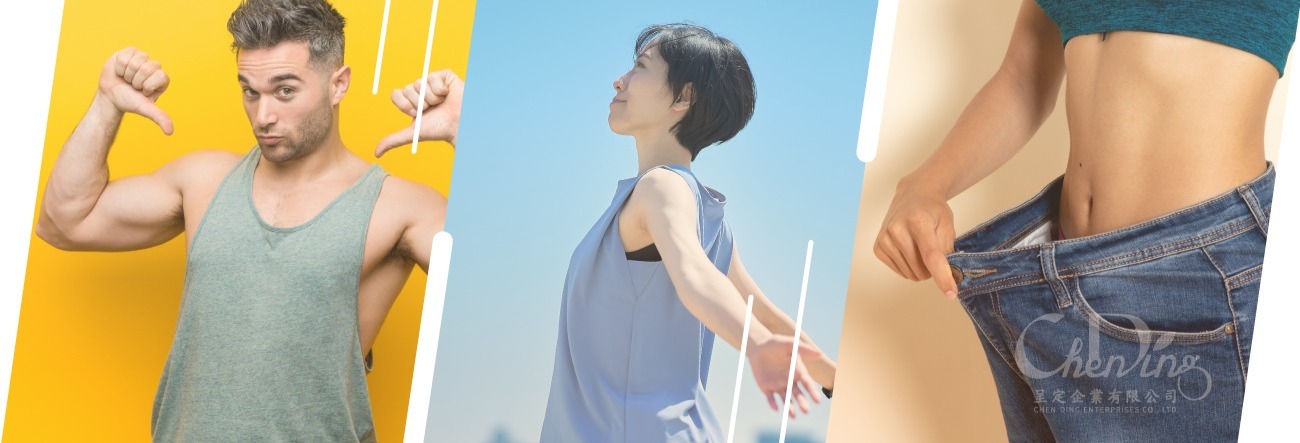
In the past, protein supplementation relied primarily on protein powders, with consumers mainly consisting of bodybuilders and high-intensity athletes. However, since the pandemic, consumer awareness of health management has shifted significantly. Protein is increasingly seen as a fundamental macronutrient for daily nutrition, with its benefits extending beyond athletic performance to:
|
|
|
According to market statistics, sales of ready-to-drink protein beverages are projected to grow 20% annually in 2025, while protein bars and high-protein snacks are expected to increase by 28% per year. Key factors driving this growth include:
| 1.Highconvenience | 2.Abilityto substitute for meals or snacks | 3. Sensorysatisfaction (flavor and texture)—the core driver of purchase |
In this trend, high-protein snacks are gradually transitioning from “functional supplements” to “everyday foods that combine nutrition and enjoyment.”
Types of High-Protein Snacks
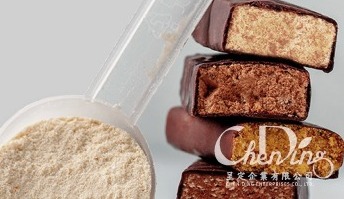
1.Protein Bar
Protein bars typically have a texture similar to nougat, with a noticeable chewiness, and can use whey protein or plant protein as the protein source. Their formulations are highly flexible, often incorporating functional ingredients such as MCT oil or dietary fiber in addition to protein.
However, these products are prone to “phase separation” during storage—such as moisture migration, fat crystallization, or protein rearrangement—which can affect texture and sensory stability. As a result, their optimal shelf life is relatively short, requiring precise formulation and process control.
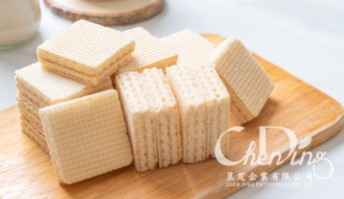
2.Protein Wafer
Protein wafers offer a snacking experience closest to traditional treats, typically made with whey or plant protein incorporated into a high-protein cream filling between crispy wafer layers, combining crunch with a smooth interior.
Their advantage lies in delivering a strong snack-like appeal and satisfying mouthfeel. However, because consumers have well-established expectations for wafers, flavors remain largely sweet—such as chocolate, strawberry, or peanut—leaving relatively limited space for flavor innovation.
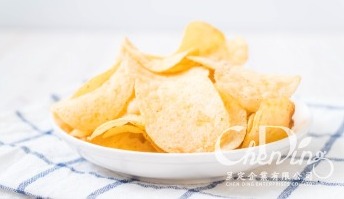
3.Protein Chips
Protein crisps resemble corn chips or potato chips in appearance and texture, with predominantly savory flavors, often made from soy or other plant proteins as the main ingredient.
These products are generally perceived by consumers as a healthier alternative to traditional high-fat snacks, occupying a clear niche in the “low-guilt snack” and “high-protein savory snack” markets.
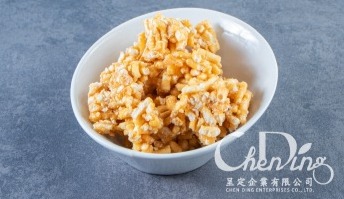
4.Protein Crisps
Protein puffed snacks resemble puffed rice or popcorn but have a lighter, crispier structure and can be developed in both savory and sweet flavors. Their key features include:
|
|
|
They can be formulated using a combination of soy protein crisps and milk protein crisps. Notably, milk protein crisps can contain over 90% protein, resulting in a final product with significantly higher protein density compared to other high-protein snack types, making them especially suitable for weight management and high-protein diets.
ERIE utilizes a continuous HTST high-pressure process to successfully produce milk protein crisps with protein content up to 90%. The crisps measure 0.25–0.5 cm in size and offer excellent application versatility, suitable for:
|
|
|
By meeting high-protein requirements while maintaining low fat, stable structure, and appealing sensory properties, these crisps provide a more competitive ingredient solution for the next generation of high-protein snacks.
參考資料
1. https://mp.weixin.qq.com/s/DF0KqmTgs61pAJ86EBhQsw
本文章提及人體健康效益之內容、科學數據、旨在分享學術資訊。不用於診斷、預防與治療疾病。
→ 更多解決方案,請洽詢呈定企業有限公司了解更多
→ 更多解決方案,請洽詢呈定企業有限公司了解更多