

依據歐盟施行的個人資料保護法,我們致力於保護您的個人資料並提供您對個人資料的掌握。 我們已更新並將定期更新我們的隱私權政策,以遵循該個人資料保護法。請您參照我們最新版的 隱私權聲明。
本網站使用cookies以提供更好的瀏覽體驗。如需了解更多關於本網站如何使用cookies 請按 這裏。
Latest News
NEW
05.Mar.2026
The Gentle Power of Seaweed: Why Pudding Has That Bouncy Texture
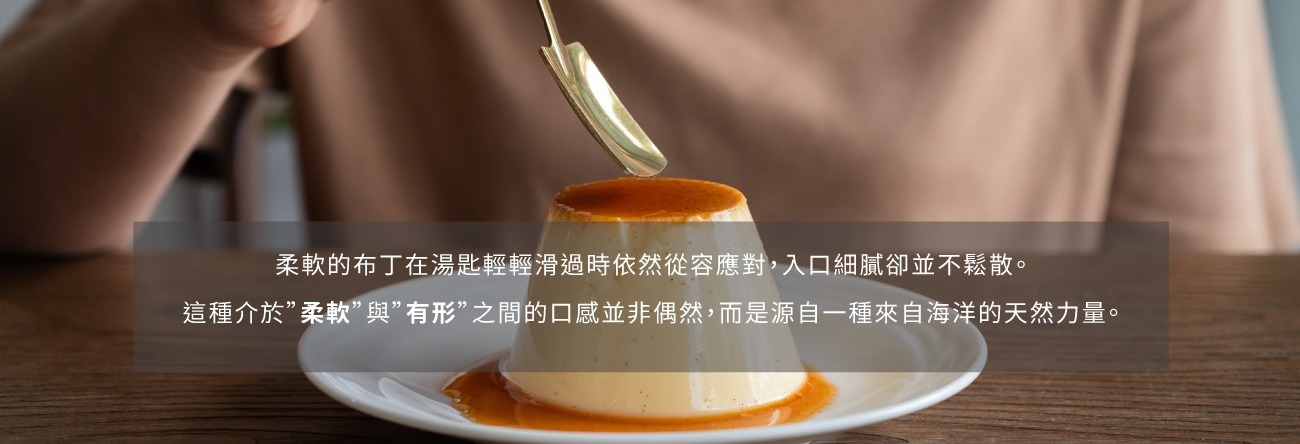
Seaweed: The Wisdom of Living with Water
Along the ebb and flow of the coastline, red algae attach to rocks and grow. Despite being constantly submerged in water, they maintain their shape and resilience. This is thanks to a naturally occurring component within the algae that binds with water, helping retain moisture in the cell walls and providing strength, rather than letting it quickly dissipate or spread.
This unique property of seaweed was later harnessed and applied in food.
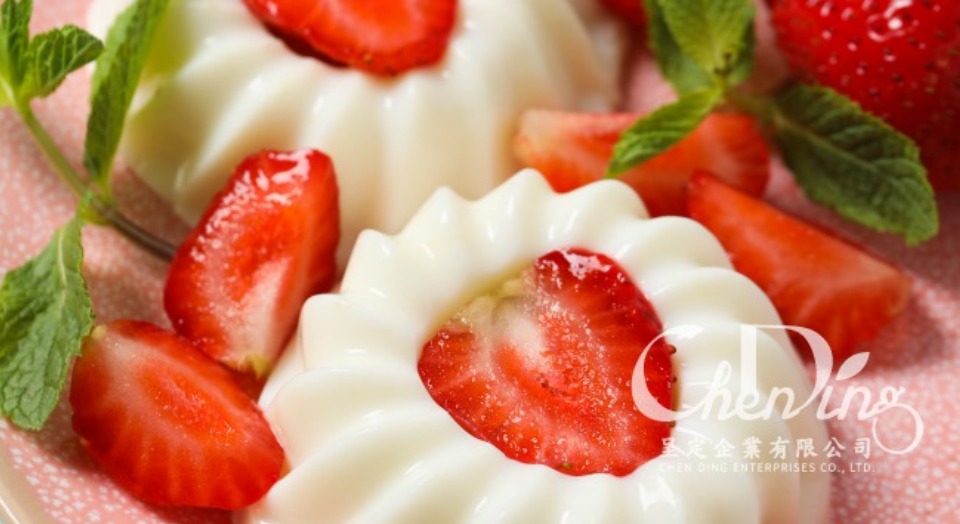
AGentle Structure That Gives Liquids Their Boundaries
When liquids like milk or coconut milk are heated with this red seaweed from the ocean, a specific molecule in the algae gradually unfolds in water, forming a delicate and continuous mesh-like structure. This “invisible net” is not rigid, yet it gently locks in moisture, allowing pudding to maintain a soft texture while presenting a stable and defined shape.
Softness no longer means fragility, and delicacy carries a sense of composure.
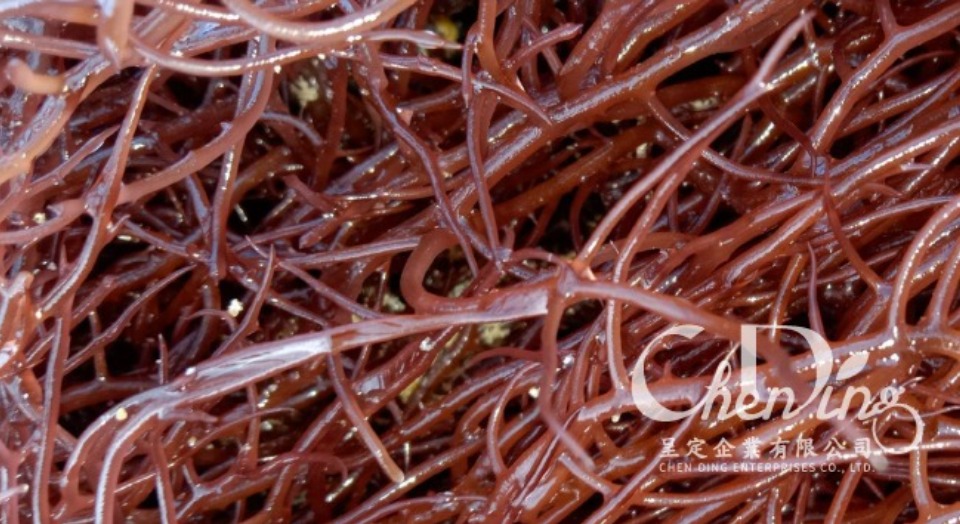
Its name is “Carrageenan.”
In food science, this natural polysaccharide from red algae is called carrageenan. The name itself is not important—the key is the texture it creates: not altering the essence of the food, but helping deliver the familiar and expected mouthfeel people enjoy.
Long before, this natural polysaccharide from red algae had already found its way into everyday life.
Along the coasts of Ireland, people long ago began using a red algae that grows attached to rocks—Chondrus crispus, also known as Irish Moss. Historical records from the 19th century show that the whole algae was boiled to make a nutritious and soothing beverage, often considered suitable for consumption by people or animals who were ill or physically weak.
In home cooking, the boiled algae was strained and added to milk and sugar. Once cooled, it naturally set into a delicate, milky-textured dessert—Carrageen Moss Pudding. This preparation has been passed down in Irish households since the 19th century, serving both as a common dessert and as a gentle food during illness or recovery.
The name carrageenan is widely believed to come from the Irish word carraigín, meaning “little rock,” describing the algae’s growth on rocky surfaces. Some sources also suggest it may be linked to Carrigan Head, a location near Northern Ireland.
A Subtle Yet Enduring Structural Force
From the red algae along Ireland’s rocky coasts to the soft yet structured spoonful of pudding on today’s tables, this natural polysaccharide from seaweed has accompanied people for generations.
It is unobtrusive and needs no repeated explanation; it simply slows down liquids at the right moment, giving softness its measure. Perhaps that is why it has endured in everyday cuisine for generations—quiet, reliable, and yet always indispensable.
References:https://mp.weixin.qq.com/s/mEedysAKvzx_9dziYI0VUA
Disclaimer
The health benefits and scientific information presented in this article are provided for educational purposes only and are not intended to diagnose, prevent, treat, or cure any disease.
Looking for the right ingredient or OEM/ODM solution?Contact Chen Ding to learn how we can support your product development.